
Welcome to the mfX research group!
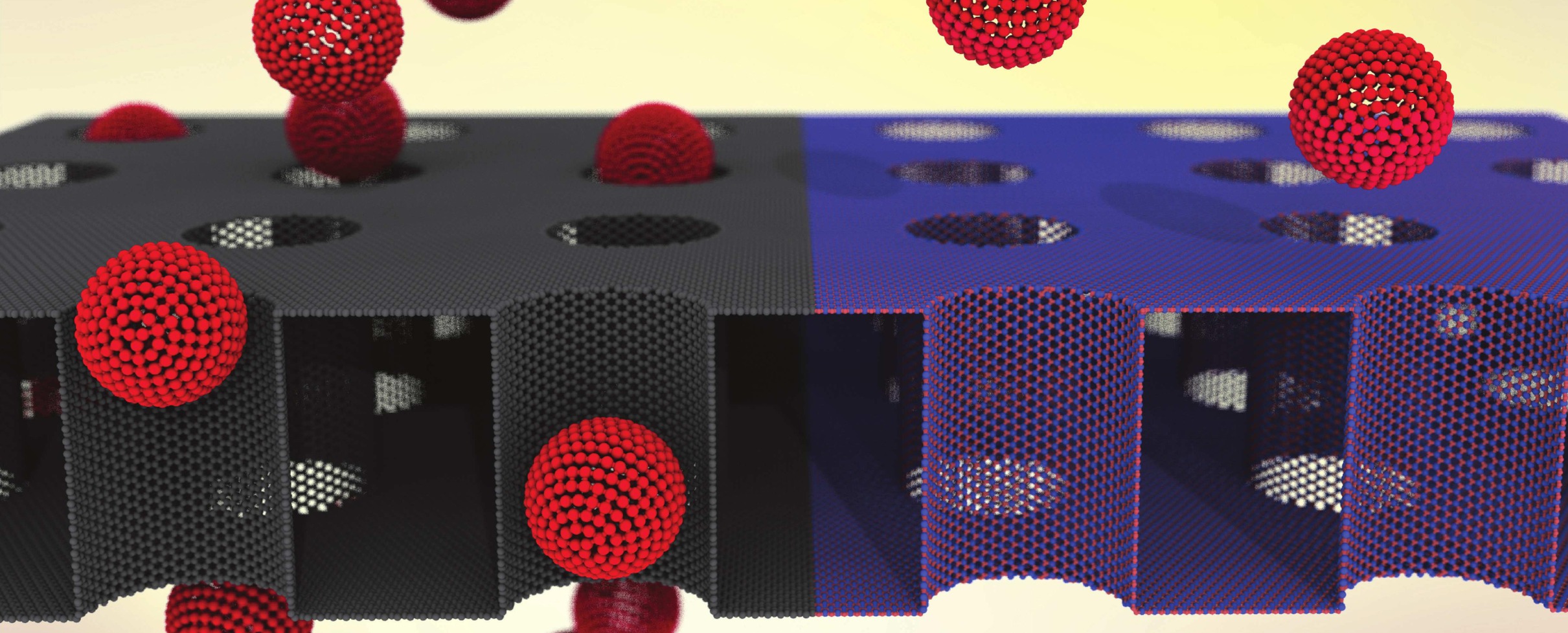
We are a computational group at the University of Edinburgh investigating a range of multiscale flow problems that target important engineering challenges of the 21st century in health, transport, water and energy. Our research spans fundamental engineering science at the nano/micro/meso/macro scales, multiscale method development, highly parallel software development that run on supercomputers, and industry-focused engineering applications.
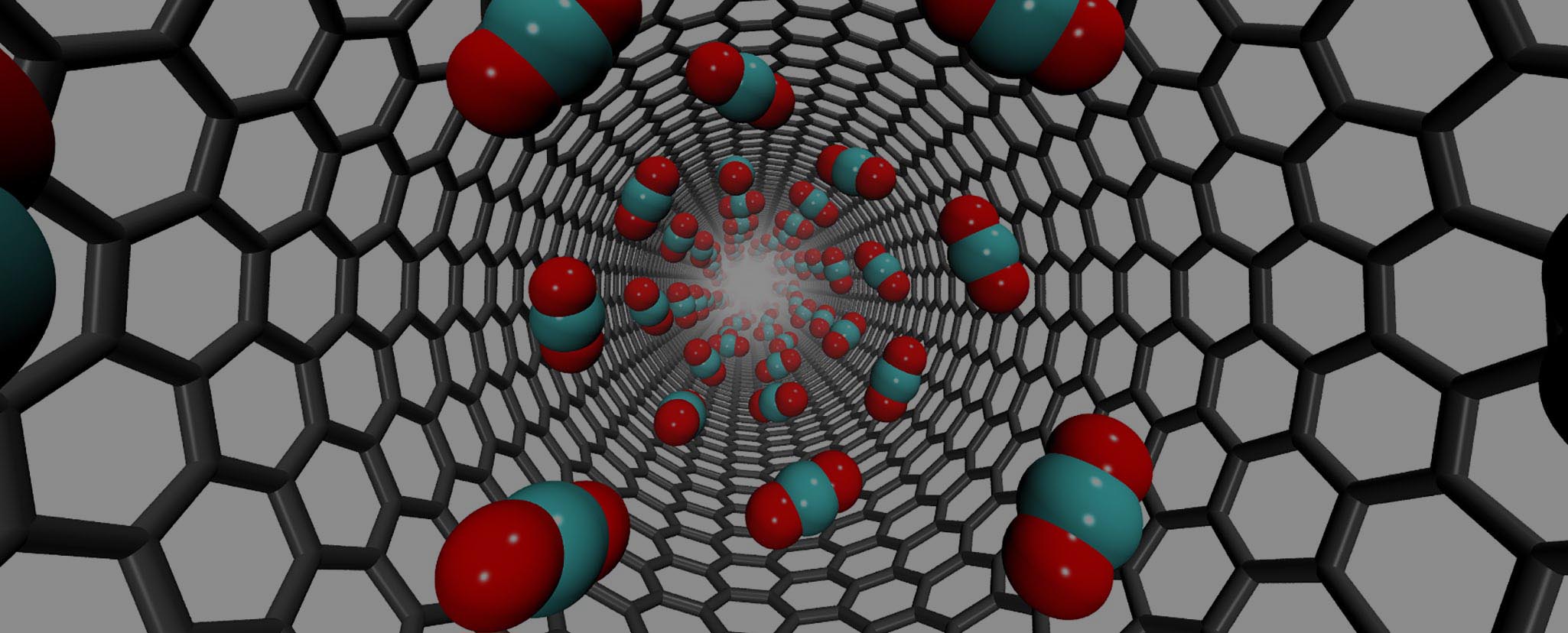
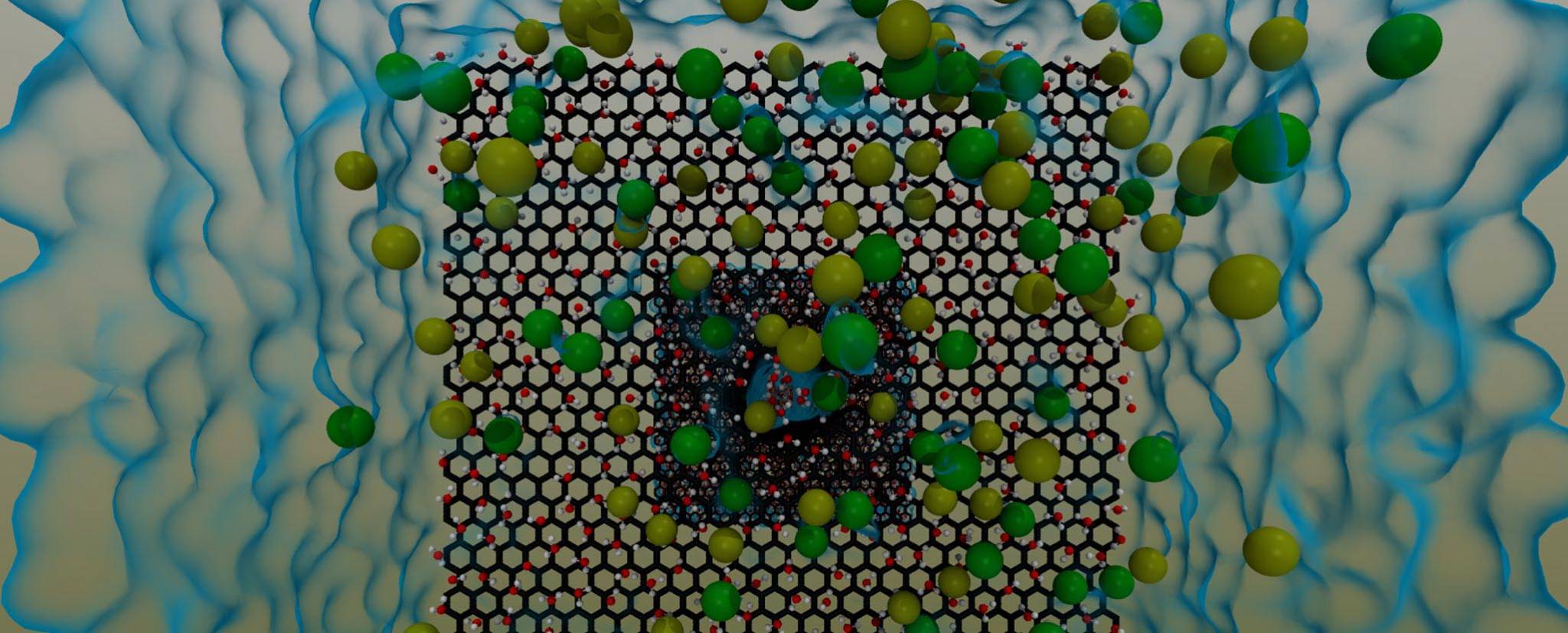
Examples of our recent work include: non-equilibrium gas transport through porous media for safer oil/gas reservoir management; nano/micro bubble cavitation dynamics for disease targeting; nano/micro-engineered surfaces with improved performance (e.g. anti-icing, marine drag reduction, nanotube water filtration membranes, evaporating cooling nanopipes); liquid-surface damage analysis; granular and pedestrian flow predictions.
We actively collaborate with researchers from the UK and around the world, and engage with various industrial companies to adapt our techniques for their problems.
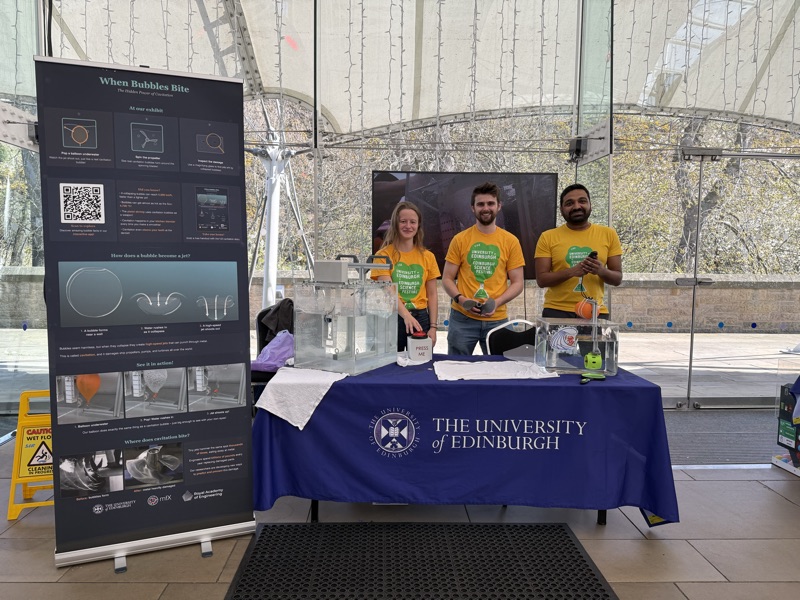
Our interactive cavitation exhibit at the Edinburgh Science Festival 2026: over four days at Dynamic Earth, more than 200 balloons were burst underwater to show families how collapsing bubbles damage ship propellers, with live propellers, real erosion damage and a quiz app.
Try the interactive app Read morePengxu passed his PhD viva today with minor corrections! With two published papers (in Nanoscale and The Journal of Chemical Physics) and a very well-written thesis behind him, the result came as no surprise, but we are delighted to have it confirmed. Congratulations to Dr. Pengxu Chen, and to Saikat, who was primary supervisor for this work!
Abdullah and Thejas’s work on the liquid utilisation bottleneck in interfacial thermal conductance at metal/water interfaces has been published in the International Journal of Heat and Mass Transfer, together with Samy Merabia (CNRS, Lyon) and Rohit. The paper explains why the widely used vibrational spectra overlap fails to predict thermal conductance across metal/water interfaces: the bottleneck lies in how effectively the interfacial liquid utilises its available vibrational modes. Congratulations to Abdullah and Thejas, who contributed equally to the paper!
Congratulations to Taher, who won a Best Poster Award at the 5th Non-Equilibrium Molecular Dynamics Conference (NEMD 2026) for his poster on computing nanobubble zeta potentials via non-equilibrium molecular dynamics. The award was decided by a vote of the conference delegates.
The group hosted the 5th Non-Equilibrium Molecular Dynamics Conference (NEMD 2026) at the University of Edinburgh on 8-10 July 2026, organised by Rohit and Duncan. The meeting brought together 76 delegates from 15 countries across four continents, for a programme of 24 talks (including 5 keynotes) and 15 posters, following the previous edition in Osaka in 2025. NEMD 2026 was sponsored by Tokyo Electron, CCP5, and EPCC.
Pengxu’s work on how surface vibrations suppress ice nucleation in water nanofilms has been published in the Journal of Chemical Physics, together with Patrick, Rohit and Saikat! The paper identifies two complementary mechanisms by which vibrations stop ice forming at its nanoscale origin: acoustothermal heating, and a non-thermal disruption of interfacial water structure. Congratulations to Pengxu on the second publication of his PhD!